

Building connections during recovery isn’t just helpful it’s essential for your long-term success. You’ll find strength in peer support groups, whether in-person or online, where others truly understand your journey. Don’t let barriers like transportation or stigma hold you back many programs now offer virtual options and assistance to help you connect. With support networks increasing sobriety success rates by up to 45%, you’ll discover numerous ways to create meaningful relationships that support your recovery goals.
The Power of Peer Support in Recovery Success

While traditional addiction treatment forms the foundation of recovery, peer support programs have emerged as a powerful catalyst for long-term success. Through peer mentorship, you’ll find yourself 45% more likely to maintain sobriety while experiencing lower relapse rates compared to traditional treatment alone. Individuals who participate in peer programs show higher completion rates in their treatment journey.
Community engagement through shared experiences creates a unique environment where you can connect with others who truly understand your journey. Peer recovery workers provide real-world guidance and resource connections to help navigate your path to wellness. You’ll benefit from open communication in nonclinical settings, reducing feelings of isolation and building mutual accountability. Building healthy relationships in recovery helps with stress management and emotional wellbeing. This support system helps you develop stronger coping skills, improve your mental health, and achieve better stability in housing and social relationships.
The impact extends beyond personal growth you’ll likely require fewer hospitalizations, have less involvement with the criminal justice system, and maintain more consistent engagement with healthcare providers.
Building Your Recovery Support Network
Building a strong recovery support network amplifies the benefits of peer support by creating multiple layers of connection and accountability. Network diversity guarantees you’re supported across different areas of your life, from family and friends to professional guidance and community connections.
Start by identifying support roles that match your needs. You’ll want to include trusted family members who understand healthy boundaries, friends who respect your sobriety goals, and professionals like therapists or recovery coaches. Consider joining structured support groups that align with your recovery approach, whether that’s 12-step programs or SMART Recovery. Regular check-ins with your network members help maintain strong connections and ensure ongoing support. Don’t forget to explore technology-based resources like recovery apps and online forums for additional support. Research shows that social relationships significantly improve chronic stress management and overall well-being. Engaging in sober activities and community events can help you meet positive influences who will provide emotional companionship during your recovery journey.
Common Barriers to Finding Recovery Support

If you’re living in a rural area, getting to treatment facilities or support group meetings can feel nearly impossible due to long distances and unreliable transportation options. Even in urban areas, you might struggle to find accessible treatment centers within reasonable commuting distance, especially if you’re relying on public transit or have limited time between work and family obligations. Organizations like Roots Recovery offer safe housing and transportation to help address these accessibility challenges. The fear of judgment from others or being stigmatized in your community can make reaching out for support feel overwhelming, but remember that many recovery programs offer both in-person and virtual options to help overcome these barriers. Statistics show that 31% of adults find the cost of substance use treatment prevents them from getting the help they need. Studies indicate that co-occurring disorders often complicate the treatment process, as specialized care may not be readily available in many locations.
Transportation and Distance Issues
Although transportation barriers affect both urban and rural populations seeking addiction recovery support, these challenges manifest differently across settings. If you live in an urban area, you might struggle to find convenient public transit routes to treatment facilities, while rural residents often face longer travel distances and fewer treatment options. Comprehensive reviews of access barriers demonstrate the need for policy changes to improve transportation support. Recent data shows that 21.6 million Americans need substance abuse treatment but face significant obstacles to accessing care.
Distance challenges can greatly impact your ability to start and stick with treatment. When you rely on family or friends for rides, you may encounter enabling behaviors that could hinder your recovery. Social connections can be complicated by enabling behaviors that unknowingly perpetuate addiction patterns. However, there are solutions available. Many clinics offer transportation assistance through carpooling programs, ride services, or travel reimbursements. You can also explore telehealth options if geographic isolation limits your access to specialized care. Remember, addressing transportation barriers is a vital step in maintaining your recovery journey.
Limited Treatment Facility Access
While seeking addiction treatment can feel overwhelming, understanding common access barriers helps you navigate the recovery journey more effectively. Treatment accessibility remains a significant challenge due to widespread facility shortages, particularly in rural and remote areas. You’ll likely encounter waiting lists at many programs, and finding specialized care for co-occurring disorders or culturally specific needs can be especially difficult. The 2022 Access to Care Survey shows that long wait times continue to be a major obstacle preventing many from getting timely treatment. Sober living communities can provide crucial transitional housing after completing initial treatment programs.
Financial constraints often limit your options, with high treatment costs and insurance coverage gaps creating additional hurdles. If you’re facing these challenges, consider exploring government-funded programs, telehealth services, or facilities that offer sliding-scale fees. Don’t get discouraged by administrative barriers or complex insurance processes many treatment centers have patient advocates who can help you navigate these systems and find the care you need.
Social Stigma Prevents Connection
Because social stigma remains one of the most challenging barriers to recovery, you’re not alone if you’ve felt judged or misunderstood when seeking help. Many people face discrimination, social exclusion, and internalized shame that can prevent them from reaching out for support or joining recovery communities. Research shows that cost and coverage remain significant obstacles for those seeking treatment.
Through increased stigma awareness and community outreach efforts, more organizations are working to create safe, judgment-free spaces where you can connect with others who understand your journey. While media portrayals and cultural biases often perpetuate negative stereotypes, remember that addiction is a health condition, not a moral failing. Don’t let fear of judgment stop you from building the support network you deserve. With 29 million adults identifying as having substance use disorders in America, there are many others who understand exactly what you’re going through. Consider connecting with peer support groups or recovery communities that actively combat stigma and promote understanding through shared experiences.
What Research Shows About Support Groups
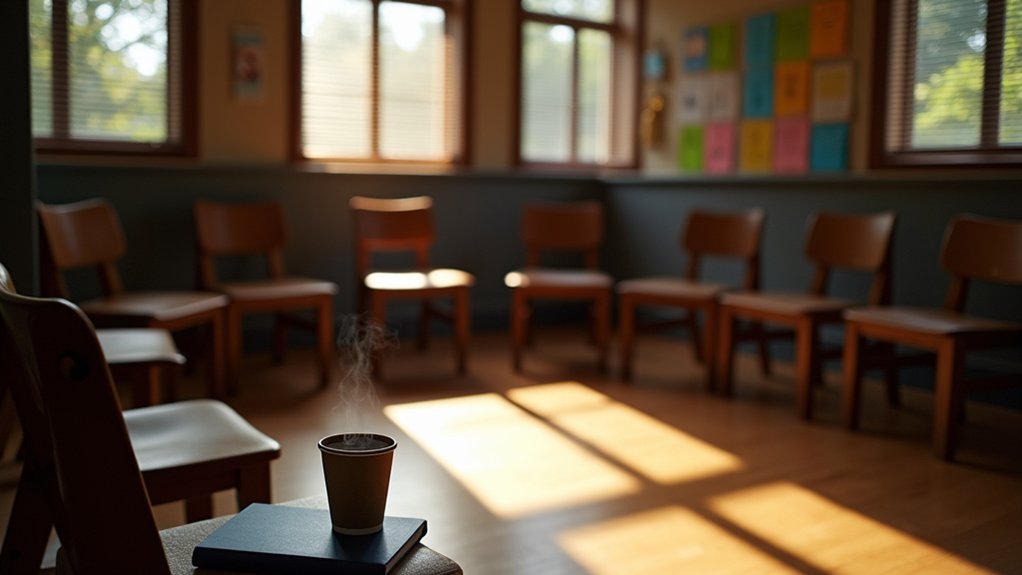
Research consistently demonstrates the powerful impact of support groups on long-term addiction recovery. Studies show that when you participate actively in support groups, your chances of maintaining sobriety increase dramatically. In fact, 90% of people who stay abstinent for two years achieve a decade of sobriety with consistent group participation.
| Recovery Benefit | Statistics | Impact |
|---|---|---|
| Long-term Sobriety | 90% success rate | 10+ years clean |
| Peer Connections | 81% build networks | Lasting support |
| Personal Growth | 85% improved worth | Enhanced confidence |
| Community Bonds | 77% stronger ties | Reduced isolation |
Support group effectiveness is particularly evident in relapse prevention, with participants experiencing 7-25% lower relapse rates than non-participants. You’ll find practical coping strategies, immediate support during cravings, and valuable connections that strengthen your recovery journey.
Connecting With Others in the Digital Age
You’ll find a growing array of digital recovery communities that offer support whenever and wherever you need it most. Virtual support groups and online sober communities provide safe spaces to connect with others who understand your journey, all from the comfort and privacy of your own home. Whether you’re seeking 24/7 crisis support, daily check-ins, or regular group meetings, digital platforms can complement your recovery path while helping you build meaningful connections with others who share your goals.
Virtual Recovery Support Groups
While in-person recovery meetings have long been the cornerstone of addiction support, virtual recovery groups have emerged as a powerful and accessible alternative in our digital age. Through virtual connections, you’ll find 24/7 support during critical moments when you need it most, without waiting for scheduled meetings.
Online platforms like Zoom, Skype, and specialized recovery sites offer you diverse ways to engage, from video meetings that mirror face-to-face interactions to message boards where you can share and connect at your own pace. You’ll discover free or low-cost options that fit your schedule and specific recovery needs, whether through AA, NA, or other specialized programs. Best of all, these virtual groups break down barriers of distance, language, and mobility, ensuring you’re never alone in your recovery journey.
Finding Digital Sober Communities
Looking to connect with others on your sobriety journey? Today’s digital landscape offers numerous ways to find support while maintaining your privacy through anonymous sharing. You’ll discover thriving communities across various online forums that understand your unique challenges.
- Reddit communities provide peer-to-peer support with specialized recovery discussions
- Facebook groups offer structured environments where you can track milestones and participate in daily check-ins
- Gender-specific and LGBTQ+-inclusive spaces address unique recovery needs
- Free digital platforms help you overcome geographic and financial barriers to access support
These online communities aren’t just convenient they’re transforming how people approach recovery. Whether you’re participating in Dry January or seeking long-term sobriety support, you’ll find understanding peers who share similar goals and experiences. Remember, you’re never alone in this journey.
Types of Recovery Support Programs Available
Recovery support programs come in many forms to meet the diverse needs of individuals seeking help with addiction. Whether you’re considering inpatient programs with structured stays and medical supervision, or peer-led initiatives like SMART Recovery and 12-step groups, there’s a path that can work for you. Community resources, including sober living houses and mutual aid networks, offer essential support during your change to long-term recovery. You’ll find alternative therapies ranging from art and equine therapy to luxury wellness amenities, depending on your preferences and needs.
Professional peer specialists can guide you through recovery milestones while helping with practical matters like housing and employment. Many programs now offer virtual meetings and hybrid models, making it easier to access support while maintaining your daily responsibilities.
Frequently Asked Questions
How Do I Tell My Existing Friends I’m Entering Recovery?
When sharing news about recovery, choose a quiet moment for one-on-one conversations with your closest friends first. You don’t need to explain everything just be direct and honest about your decision to make positive changes. Try saying “I’m starting recovery, and I wanted you to know because your support matters to me.” While managing reactions, remember you’re in control of how much you share and with whom.
Can Family Members Attend Support Group Meetings With Me?
Family involvement in support groups depends on the specific program and meeting type. While some groups are exclusively for individuals in recovery, many organizations welcome family members through specialized family sessions or joint meetings. You’ll find that family-inclusive meetings can strengthen support dynamics and create a shared understanding of recovery. Check with your chosen group’s guidelines, as they’ll often have designated times or separate groups for family participation.
What Should I Do if My Support Person Relapses?
If your support person relapses, don’t panic or judge them. Remember that relapse is often part of recovery, and they’ll need your emotional support now more than ever. Help them connect with professional help immediately, and encourage them to identify their relapse triggers. You can offer to accompany them to meetings or appointments. Meanwhile, make sure to take care of yourself and seek additional support from other group members or counselors.
How Long Should I Keep Attending Support Meetings After Achieving Sobriety?
There’s no fixed timeline for attending support meetings it’s a personal journey that depends on your individual needs and progress. Many find that a long-term commitment helps maintain sobriety and supports ongoing personal growth. You’ll know you’re ready to reduce meetings when you feel confident in your coping skills, but don’t hesitate to continue if they’re still benefiting you. Remember, you can always adjust your attendance based on what works best.
Is It Okay to Date Someone From My Support Group?
While dating within support groups isn’t strictly forbidden, it’s best to approach it with caution. Most recovery programs recommend waiting at least one year of continuous sobriety before pursuing romantic relationships. Support group dynamics can be complicated by dating, and it’s important to prioritize your recovery first. If you do consider dating someone from your group, maintain clear boundaries, be honest with your sponsor, and make sure you’re following your program’s guidelines.

Dr. Brady Schroer obtained his Bachelor of Science degree in Biopsychology with an emphasis in Chemistry. He then attended Medical School at the Kansas City University of Medicine and Biosciences. After completing medical school, Dr. Schroer completed his general psychiatry residency at a nationally known treatment facility, the Menninger Clinic. Immediately after residency, Dr. Schroer worked in a large medical hospital system caring for geriatric clients, adult inpatient clients, completing consultation liaison evaluations on the medical floors, conducting Electroconvulsive Treatment for clients with severe/refractory depression, and caring for complicated delirium patients in the ICU. During this time, He served as Medical Director and Chief of Psychiatry before moving to Western North Carolina.