

Table of Contents
ToggleRecovery Continues Beyond Detox
Detox is the beginning of recovery, not the end. Without ongoing support, the risk of relapse increases once the initial withdrawal period is over. That is why we emphasize transition planning and long-term recovery support as a core part of our approach. Our alumni and aftercare programs ensure that clients do not leave detox without a clear, structured path forward.
Alumni Support
Alumni Programming
Opportunities for continued engagement with staff and peers who understand the recovery journey
In-House 12-Step Meetings
Structured support and connection that reinforces recovery principles
Ongoing Check-Ins
Continued outreach and encouragement from our team to support accountability and stability
Transition Into Ongoing Care
Eighty-six percent of our clients successfully move into aftercare following detox. This strong transition rate reflects our commitment to helping clients build momentum in recovery rather than stopping at detox alone.
Our team works with each client to:
- Coordinate with intensive outpatient programs (IOPs), partial hospitalization programs (PHPs), and therapists
- Connect clients with recovery groups and community resources
- Provide referrals to trusted providers for psychiatric and behavioral health needs
- Develop individualized aftercare plans that fit each client’s lifestyle and recovery goals
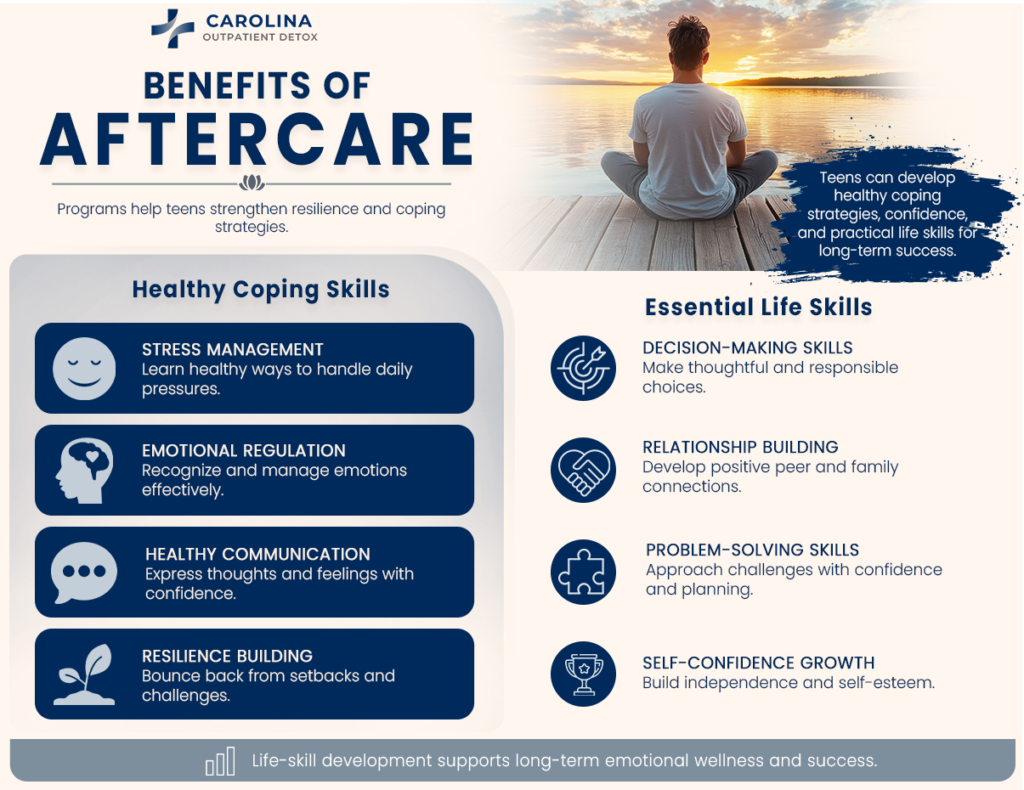
Why Aftercare Matters
Detox helps you stop using safely, but aftercare helps you stay stopped. Transitioning into structured support ensures that progress made during detox is carried into daily life. With the right guidance, clients can avoid setbacks and continue building a strong foundation for lasting recovery.
Take the First Step Today

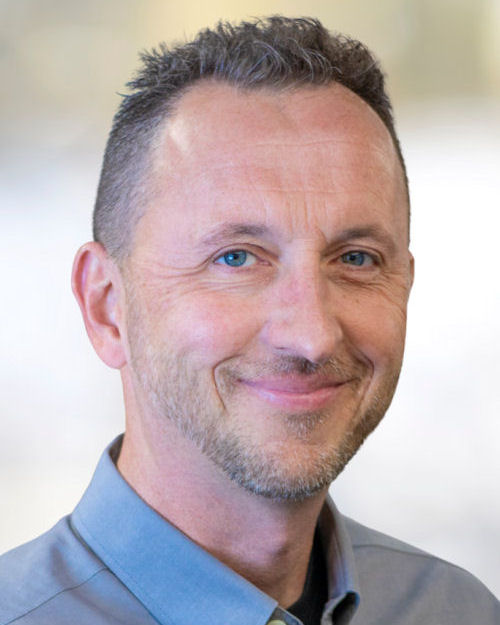
Dr. Brady Schroer obtained his Bachelor of Science degree in Biopsychology with an emphasis in Chemistry. He then attended Medical School at the Kansas City University of Medicine and Biosciences. After completing medical school, Dr. Schroer completed his general psychiatry residency at a nationally known treatment facility, the Menninger Clinic. Immediately after residency, Dr. Schroer worked in a large medical hospital system caring for geriatric clients, adult inpatient clients, completing consultation liaison evaluations on the medical floors, conducting Electroconvulsive Treatment for clients with severe/refractory depression, and caring for complicated delirium patients in the ICU. During this time, He served as Medical Director and Chief of Psychiatry before moving to Western North Carolina.