
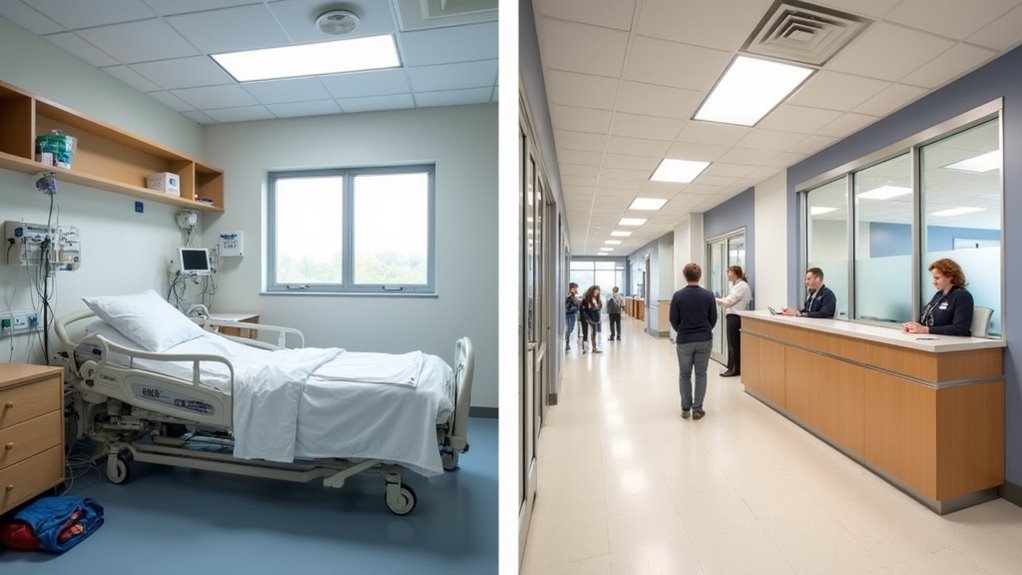
Inpatient and outpatient cocaine rehab programs differ markedly in their intensity and structure. You’ll receive 24/7 medical supervision and multiple daily therapy sessions in an inpatient setting, typically lasting 30-90 days in a residential facility. Outpatient programs offer more flexibility with 1-3 weekly sessions while you maintain work and family commitments. Your choice depends on addiction severity, personal circumstances, and needed support level factors that can shape your path to recovery.
Understanding Treatment Approaches for Cocaine Addiction
When seeking treatment for cocaine addiction, understanding the fundamental differences between inpatient and outpatient rehabilitation programs is essential for making an informed decision about your recovery path. Inpatient programs offer an immersive 30-90 day experience with intensive daily therapy, while outpatient treatment provides flexibility with 1-3 weekly sessions over 3-6 months. Similar to how NEJM Journal Watch delivers concise, evidence-based information to healthcare professionals, these treatment programs provide structured approaches backed by clinical research.
You’ll find that inpatient facilities focus heavily on relapse triggers management through cognitive behavioral therapy and structured group sessions in a controlled environment. These programs implement behavioral interventions as the primary method of treatment. The success rates for severe addiction cases are notably higher with inpatient treatment, making it the preferred choice for individuals with intense cocaine dependency. In contrast, outpatient programs emphasize community support integration while allowing you to maintain your daily responsibilities.
Both approaches utilize CBT techniques, but inpatient care provides 24/7 medical supervision and complete removal from triggers, whereas outpatient treatment helps you develop coping skills while managing real-world challenges.
Medical Supervision and Support Levels

Your access to medical care differs markedly between inpatient and outpatient cocaine rehabilitation programs, with inpatient facilities offering round-the-clock clinical supervision and immediate emergency response capabilities. You’ll receive more frequent therapy sessions in an inpatient setting, where medical professionals can closely monitor your progress and adjust treatment approaches in real-time. Mental health counselors provide essential therapeutic guidance throughout every stage of the recovery journey. While outpatient programs provide scheduled clinical visits and therapy sessions, they can’t match the intensive support and constant medical oversight you’ll find in residential treatment centers. Inpatient treatment typically runs for at least 30 days to provide adequate time for complete rehabilitation and stabilization. A comprehensive treatment approach includes medically assisted detox during the initial phase to safely manage withdrawal symptoms.
24/7 Clinical Care Access
Medical supervision and support levels represent crucial differences between inpatient and outpatient cocaine rehabilitation programs. With higher staffing levels and lower patient-clinician ratios, inpatient facilities offer 24/7 medical monitoring during detox and immediate emergency interventions when needed. You’ll receive extensive care from on-site medical professionals who can quickly respond to complications or crises. Research shows that for patients exhibiting recent suicidal behavior, inpatient treatment leads to significantly better outcomes compared to outpatient care.
In contrast, outpatient programs provide limited medical supervision and rely on external emergency services. While they’re more flexible, you won’t have constant access to medical staff or emergency care. This difference becomes particularly vital if you’re dealing with severe withdrawal symptoms or have underlying health conditions. The structured environment of inpatient care ensures constant medical oversight throughout your stay.
Inpatient programs also offer more structured medication management and post-acute support, ensuring you receive consistent, integrated care throughout your recovery path.
Therapy Session Frequency
Treatment intensity represents a fundamental distinction between inpatient and outpatient cocaine rehabilitation programs. In inpatient settings, you’ll participate in multiple daily therapy sessions, often totaling 6-8 hours per day, with structured schedules that guarantee consistent engagement. Pre-treatment dosing levels and withdrawal management strategies are closely monitored through 24/7 medical supervision. The 28-day average stay helps establish a solid foundation for recovery through comprehensive programming. Inpatient programs deliver intensive daily therapy through multiple sessions that promote disciplined recovery approaches.
Outpatient programs offer more flexible scheduling with weekly or biweekly sessions, typically lasting 1-2 hours each. While this allows you to maintain work and family commitments, you’ll need stronger self-motivation to stay engaged. Your withdrawal management strategies and treatment progress are monitored through scheduled clinic visits rather than continuous oversight. This reduced intensity means you’ll need to actively commit to your recovery path while managing real-world responsibilities and potential triggers.
Duration and Time Commitment Requirements
While inpatient cocaine rehabilitation requires your full-time commitment for 30-90 days in a residential facility, outpatient programs offer more flexibility with treatment lengths spanning several weeks to months.
You’ll need to dedicate 24/7 to your recovery in an inpatient setting, temporarily pausing work and family obligations, whereas outpatient programs let you maintain daily responsibilities while attending 9-15 hours of weekly therapy sessions.
Your choice between these programs should consider not just the time investment but also how each program’s schedule aligns with your personal circumstances and recovery needs. The addition of dual diagnosis treatment is often available in inpatient programs, making them ideal for those dealing with both addiction and mental health concerns.
Treatment Length By Program
Both inpatient and outpatient cocaine rehabilitation programs offer distinct timeframes and commitment levels to match your recovery needs. The length of your treatment will depend on diverse intensity levels and require personalized planning based on your addiction severity. Patients seeking more affordable treatment may benefit from less expensive outpatient options.
| Program Type | Duration |
|---|---|
| Short-term Inpatient | 28-30 days |
| Medium-term Inpatient | 60-90 days |
| Long-term Inpatient | 6-12 months |
| Outpatient (IOP) | 8-12 weeks |
You’ll find that inpatient programs provide extensive 24/7 care, with options ranging from one month to a year. For outpatient treatment, you can expect programs lasting between 8 weeks to 6 months, with continuing care extending beyond a year. Research shows that longer treatment durations, especially in severe cases, often lead to better recovery outcomes when combined with proper step-down care.
Schedule Flexibility Comparison
Making informed decisions about cocaine rehabilitation requires understanding the significant scheduling differences between inpatient and outpatient programs. While inpatient treatment demands 24/7 residency with strict staff schedules and activity planning, outpatient options offer greater flexibility to maintain your daily responsibilities.
Consider these paramount scheduling differences:
- Inpatient programs require your full commitment, with 6-12 hours of daily therapeutic activities and no time for external obligations
- Outpatient treatment through PHP allows 25-30 hours weekly of treatment while IOP offers 9-15 hours, letting you balance recovery with work and family
- You’ll have more control over your schedule in outpatient care, but you’ll need stronger self-discipline to maintain your recovery routine without constant facility oversight
Your choice should align with your lifestyle needs while ensuring adequate support for lasting recovery.
Cost Analysis and Financial Considerations
The costs of cocaine rehabilitation can vary dramatically, with inpatient programs ranging from $5,000 to $80,000 and outpatient programs averaging around $7,000 for a 10-week course. Assorted economic factors influence these costs, including location, amenities, and treatment intensity. Studies show that investing in rehabilitation can lead to healthcare savings of up to 12 to 1. You’ll find that payment methods can enormously impact your out-of-pocket expenses. State-operated facilities may cost considerably less, though they typically have longer wait times. Most residential treatment facilities provide a therapeutic environment with 24/7 supervision and comprehensive care services.
| Cost Factor | Inpatient | Outpatient |
|---|---|---|
| Housing | $3,000-4,000/month | $0 (live at home) |
| Treatment | $5,000-80,000 total | ~$7,000/10 weeks |
| Medication | $1,000-3,000/year | $1,000-3,000/year |
Several financial assistance options can help make treatment more affordable. Insurance coverage, sliding-scale fees, and payment plans are available at many facilities. You’ll also want to examine additional expenses like detox services ($250-800/day) and post-rehab aftercare when planning your treatment budget.
Impact on Work and Personal Life
Choosing between inpatient and outpatient cocaine rehabilitation substantially impacts an individual’s work and personal commitments. Work life integration varies extensively between these options, with outpatient programs offering greater lifestyle balance through flexible scheduling and the ability to maintain employment. Inpatient treatment, while more intensive, requires a complete pause on work and family obligations.
Outpatient programs allow you to maintain employment with 53-day average treatment duration, enabling continued career progression. Inpatient treatment’s higher completion rate (95%) provides extensive recovery but requires temporary career interruption. 40% of successful outpatient participants self-manage treatment while balancing personal responsibilities.
The decision between programs often depends on your ability to integrate recovery with existing commitments. Outpatient treatment preserves daily routines, while inpatient care demands full dedication to recovery without external distractions.
Environmental Factors and Recovery Settings
Beyond work commitments, environmental settings play a powerful role in cocaine rehabilitation success. When you’re choosing between inpatient and outpatient care, you’ll need to ponder how each setting impacts your recovery expedition and community reintegration.
| Factor | Inpatient | Outpatient |
|---|---|---|
| Supervision | 24/7 medical oversight | Self-monitored recovery |
| Triggers | Protected from exposure | Daily environmental risks |
| Support System | Constant peer interaction | Scheduled group sessions |
| Lifestyle Changes | Fully immersive environment | Balance with daily life |
In inpatient settings, you’ll find yourself in a controlled environment that eliminates exposure to triggers and provides round-the-clock support. Outpatient programs, while offering more flexibility, require you to navigate potential triggers while implementing lifestyle changes. Your success often depends on your ability to maintain sobriety in your regular environment while accessing scheduled support services.
Treatment Intensity and Program Structure
When comparing treatment approaches, program intensity and structure emerge as critical differentiators between inpatient and outpatient cocaine rehabilitation. You’ll find that inpatient programs offer an immersive experience with 6-8 hours of daily structured activities, while outpatient programs provide more flexibility with 3-5 hours per session.
The therapy modalities offered and program structure flexibility vary extensively between these options:
- Inpatient care provides 24/7 access to medical staff and continuous therapeutic support, ensuring you’re never alone in your recovery path
- Outpatient programs allow you to maintain your daily responsibilities while receiving treatment, adapting to your schedule
- Both approaches incorporate individual and group therapy, but inpatient offers more intensive, frequent sessions to accelerate your healing process
Your choice should align with your specific needs and circumstances.
Success Rates and Recovery Outcomes
Your path to recovery can vary greatly between inpatient and outpatient programs, with inpatient treatments showing around 50% abstinence rates post-discharge while outpatient programs demonstrate a 52% completion rate. Success predictors often include program completion, continued aftercare participation, and the level of support you’ll receive during early recovery phases.
While both options carry inherent relapse risks, with inpatient programs reporting roughly 50% relapse rates within three months, you’ll find that structured environments and extensive support systems can strengthen your chances of maintaining sobriety.
Recovery Duration By Program
The duration and success of cocaine rehabilitation programs vary considerably between inpatient and outpatient settings. Average treatment duration per program typically ranges from 30-90 days, with patient rehabilitation timelines depending on individual needs and progress.
You’ll find that inpatient programs offer more intensive, structured schedules with 24/7 supervision, while outpatient options provide flexibility to maintain work and family commitments.
- Inpatient programs generally last 30, 60, or 90+ days with thorough medical supervision and higher completion rates around 89%
- Intensive outpatient programs (IOP) require 3-5 weekly sessions over approximately 53 days
- Standard outpatient care averages 81 days, while medication-assisted treatment (MAT) extends to 113 days
These timeframes serve as general guidelines, and your specific treatment duration may vary based on personal progress and recovery goals.
Success Predictors In Treatment
Success rates for cocaine rehabilitation reveal striking differences between treatment approaches, with inpatient programs achieving exceptionally higher recovery outcomes of 40-50% compared to outpatient alternatives at 30-40%. Your success in treatment heavily depends on individual factors, including cultural influences and socioeconomic status, which can impact access to extensive care and support systems.
| Success Factor | Impact on Recovery |
|---|---|
| Continuous Engagement | Higher success in structured settings |
| Support Networks | Better outcomes with family involvement |
| Treatment Duration | Longer programs yield sustained results |
| Cultural Competency | Personalized approaches increase effectiveness |
You’ll find that success rates improve greatly when you commit to evidence-based treatments combining behavioral therapy, medication assistance, and holistic support. Your recovery expedition’s effectiveness increases with early intervention and consistent participation in therapeutic activities, regardless of the program type you choose.
Relapse Prevention Rates Compared
While both treatment approaches offer paths to recovery, relapse prevention rates reveal distinct patterns between inpatient and outpatient cocaine rehabilitation programs. You’ll find that inpatient programs show higher initial success, with 50% maintaining sobriety post-treatment, though early recovery struggles often emerge within three months.
Inpatient settings provide intensive behavioral modification techniques and 24/7 supervision, creating a protective environment during your most vulnerable period.
Outpatient programs achieve 52% completion rates, with success closely tied to your personal commitment and support system.
Your exposure to familiar environments in outpatient care presents both challenges and opportunities to practice coping strategies in real-world settings.
Family Involvement and Support Systems
Family dynamics play a pivotal role in cocaine rehabilitation outcomes, shaping both inpatient and outpatient treatment experiences. In outpatient settings, you’ll have regular access to family support systems, allowing for continuous work on communication patterns and familial enablement behaviors.
Inpatient programs, while more restrictive, incorporate scheduled family therapy sessions and educational workshops during your stay.
Your treatment success markedly improves with family involvement, regardless of the setting you choose. Outpatient programs offer more flexibility for family participation in therapy sessions and support groups, while inpatient facilities provide structured family visits and intensive counseling periods.
Understanding these differences can help you select the most appropriate treatment option based on your family’s ability to participate and support your recovery expedition.
Aftercare Planning and Long-term Recovery
After completing your initial rehabilitation program, having a substantial aftercare plan becomes crucial for maintaining long-term sobriety. Data shows that only 33% of inpatient patients and less than 25% of outpatient patients engage in continuing care, yet those who do often achieve better outcomes.
Your aftercare odyssey may include medication management and transitional housing assistance, customized to your specific needs. The effectiveness of your long-term recovery depends heavily on consistent engagement with treatment resources.
- You’ll benefit from personalized aftercare plans that integrate stress management techniques and community-based peer support
- Phone follow-up systems will help monitor your progress and provide accountability
- Access to behavioral therapy and relapse prevention training strengthens your recovery foundation
Frequently Asked Questions
Can Patients Switch Between Inpatient and Outpatient Programs During Their Treatment?
Yes, you can switch between treatment programs as your needs evolve. The flexibility of program options allows you to move between inpatient and outpatient care when clinically appropriate.
Your healthcare team will assess your progress, stability, and readiness before recommending any changes. This shift between programs typically occurs after completing intensive treatment or when you’ve demonstrated the ability to manage your recovery with less supervision.
What Happens if Someone Relapses During Outpatient Treatment?
If you relapse during outpatient treatment, don’t panic – it’s part of many people’s recovery [path]. Your treatment team will work with you to adjust your individualized treatment plan, which may include intensifying therapy sessions or implementing new relapse prevention strategies.
About 26.5% of patients return to treatment after a setback, and that’s okay. You’ll receive increased support and monitoring while your care team helps you identify and address the triggers that led to relapse.
Are Cell Phones and Personal Devices Allowed in Inpatient Facilities?
Cell phone and electronic device usage varies among inpatient facilities, and you’ll find that each center has its own privacy policies. While some facilities allow limited access, others maintain stricter rules.
You might be permitted to keep your phone but face restrictions like time limits, supervised use in common areas, or initial blackout periods. It’s best to check with your specific treatment center, as they’ll provide detailed guidelines about their device policies.
How Soon Can Visitors See Patients in Inpatient Cocaine Rehabilitation?
You’ll typically need to delay until after the detox timeframe before observing your cherished one in rehab, which usually takes 5-14 days. Visitation schedules vary by facility, but most begin permitting approved visitors once patients enter regular programming.
You’ll need to adhere to approved visitor policies, including obtaining therapist authorization and scheduling appointments in advance. Bear in mind that early limitations assist patients in concentrating on their recovery foundation without external distractions.
Do Inpatient and Outpatient Programs Accept Pregnant Women Seeking Cocaine Treatment?
Yes, both inpatient and outpatient programs accept pregnant women seeking cocaine treatment. You’ll find specialized care that prioritizes your health and your baby’s wellbeing.
While medication assisted treatment options may be limited during pregnancy, you’ll receive thorough prenatal care coordination with OB/GYNs and addiction specialists. Treatment programs are designed to protect you under federal confidentiality laws, ensuring you can seek help without fear of legal consequences.

Dr. Brady Schroer obtained his Bachelor of Science degree in Biopsychology with an emphasis in Chemistry. He then attended Medical School at the Kansas City University of Medicine and Biosciences. After completing medical school, Dr. Schroer completed his general psychiatry residency at a nationally known treatment facility, the Menninger Clinic. Immediately after residency, Dr. Schroer worked in a large medical hospital system caring for geriatric clients, adult inpatient clients, completing consultation liaison evaluations on the medical floors, conducting Electroconvulsive Treatment for clients with severe/refractory depression, and caring for complicated delirium patients in the ICU. During this time, He served as Medical Director and Chief of Psychiatry before moving to Western North Carolina.