
Your food cravings stem from complex physiological and psychological triggers that go beyond simple hunger. When you experience cravings, your body may be signaling nutrient deficiencies, blood sugar fluctuations, or emotional needs. Environmental cues like aromas and visual stimuli activate your brain’s reward pathways, while stress and lack of sleep can intensify these urges. Understanding the true nature of your cravings opens the door to better management and healthier choices.
What Your Body Is Really Telling You
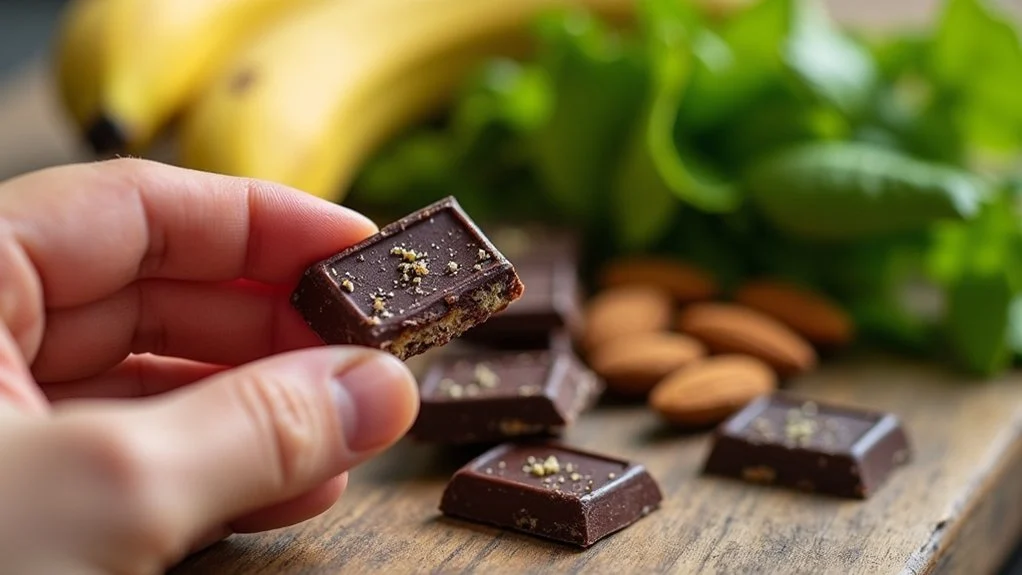
When your body signals a food craving, it’s communicating complex physiological and psychological needs that extend far beyond simple hunger. Your physiological signals might indicate nutrient deficiencies, blood sugar fluctuations, or hormonal changes that manifest as specific cravings. For instance, your chocolate cravings could point to a magnesium deficiency, while carbohydrate cravings might signal low serotonin levels. The most effective approach involves waiting 5-10 minutes before acting on cravings to assess their true nature.
Environmental cues like smells and sights can trigger intense food cravings through activation of the brain’s reward pathways. Understanding your emotional triggers is equally vital. When you’re stressed, your body releases cortisol, driving cravings for high-calorie comfort foods. These cravings often intersect with your brain chemistry, as neurotransmitters like dopamine and serotonin influence both mood and appetite. Your gut microbiome also plays a role, sending signals that can shape your food preferences and intensify specific cravings. Women experiencing menstrual cycles may notice more intense cravings during low estrogen phases.
The Science of Hunger vs. Cravings
Although hunger and cravings may feel similar in the moment, they represent fundamentally distinct biological and psychological processes. While hunger signals emerge from genuine nutrient needs, characterized by physical symptoms like stomach growling, craving triggers often stem from psychological influences and emotional eating patterns. Self-deprivation can actually intensify cravings and make them harder to manage long-term. Hormonal changes throughout the month can significantly impact food cravings and eating patterns. Tracking your eating patterns by completing the phrase I’m eating because can help identify non-hunger triggers.
Your brain’s reward pathways play an essential role in food preferences, particularly through dopamine release when consuming energy-dense foods. These neural mechanisms can override natural hunger signals, leading to cravings that aren’t tied to actual nutritional requirements. Your dietary patterns and environmental cues further shape these responses, with factors like stress, boredom, or social situations intensifying cravings. Understanding this distinction helps you recognize that while hunger requires sustenance, cravings typically reflect emotional or conditioned responses that don’t necessarily warrant immediate satisfaction.
Why We Reach for Comfort Foods

Despite our rational understanding of nutrition, comfort foods exert a powerful influence through complex neurochemical and emotional pathways. Your brain’s reward centers respond similarly to comfort foods as they do to addictive substances, activating dopamine release in the nucleus accumbens. Just as security measures protect websites from threats, your body has natural defense mechanisms that can be overridden by intense cravings. Research shows that eating warm comfort foods tends to provide greater satisfaction due to enhanced aroma release and physical warmth sensation. Many adults actively turn to comfort eating as a strategy for emotional uplift, though research indicates the mood benefits may be temporary.
| Trigger | Response | Impact |
|---|---|---|
| Stress | Increased Cravings | Reduced Insulin Sensitivity |
| Negative Emotions | Self-Medication | Temporary Mood Elevation |
| Sleep Deprivation | Metabolic Disruption | Higher Calorie Intake |
| Nostalgic Scents | Memory Activation | Bypassed Rational Thinking |
You’re particularly vulnerable to food memories and emotional connections when experiencing stress or fatigue. These situational factors weaken self-regulation, while cultural conditioning and gender-specific responses further shape your comfort food choices. Women often seek stress relief through food, while men associate comfort foods with celebration and nurturing experiences.
Breaking the Craving Cycle
Breaking the grip of food cravings requires a multi-faceted approach that addresses both environmental and physiological triggers. You’ll need to modify your surroundings by storing tempting foods out of sight and structuring your spaces to limit easy access to trigger foods. Practicing mindful meditation techniques can help you observe and release cravings without acting on them. Shape and weight concerns often drive unhealthy eating patterns and should be addressed through self-acceptance work. Since processed foods can trigger responses like addictive substances, removing them from your environment is crucial for success.
To disrupt habitual responses, establish regular eating patterns every 3-4 hours to stabilize blood sugar and prevent crashes that lead to binge eating. You can rewire your brain’s reward pathways by gradually replacing comfort foods with healthier alternatives while maintaining familiar contexts. Address underlying nutritional deficiencies, as low iron or protein levels often drive specific cravings. When emotional triggers arise, engage in alternative activities rather than turning to food for relief. By consistently implementing these strategies, you’ll weaken established craving patterns and develop healthier relationships with food.
Smart Strategies for Better Food Choices

While developing healthier eating habits requires deliberate effort, research-backed strategies can greatly improve your food choices. Through cognitive training and environmental modifications, you’ll develop skills to manage cravings effectively. Brief 15-minute training sessions can help you reframe decisions, leading to a 107-calorie reduction per meal. Research shows that focusing on positive nutritional benefits during food selection can increase healthy choices by up to 11%. Getting adequate sleep is crucial since sleep deprivation can increase food cravings. Studies indicate that varying food products in dining areas helps students maintain healthier diets.
| Strategy | Method | Impact |
|---|---|---|
| Mindfulness | Non-judgmental awareness | Reduces impulsive eating |
| Environment | Remove trigger foods | Decreases temptation |
| Hydration | Regular water intake | Prevents false hunger |
| Education | Nutrition workshops | Builds lasting habits |
You’ll find success by combining these approaches with practical steps: stock your space with healthy options, practice mindful eating, and maintain proper hydration. These evidence-based techniques, coupled with adequate sleep and stress management, create sustainable improvements in your dietary choices.
Frequently Asked Questions
Can Certain Medications Trigger Specific Food Cravings?
While various medication types can affect your appetite, there’s no direct scientific evidence showing they trigger specific food cravings. Some medications might indirectly influence your eating patterns by altering hormones or dopamine signaling, but they don’t cause cravings for particular foods. Instead, medications like GLP-1 agonists actually work to reduce craving triggers. Medications affecting cortisol or mood may impact your overall appetite, but they won’t make you crave specific items.
Why Do Some People Experience Midnight Cravings More Than Others?
Your tendency to experience midnight cravings more intensely than others stems from a combination of individual biological rhythms and emotional triggers. You’ll notice stronger cravings if your circadian clock is misaligned, you’re sleep-deprived, or you’ve developed specific nighttime eating habits. Your personal stress levels, genetic predisposition to reward-seeking behavior, and daily eating patterns also play significant roles in determining the frequency and intensity of your late-night food urges.
Are Food Cravings Influenced by Seasonal Changes or Weather Patterns?
Yes, your food cravings considerably shift with seasonal changes and weather patterns. You’ll notice stronger urges for calorie-dense comfort foods during cold weather, as your body seeks to maintain warmth through thermogenesis. Shorter winter days affect your hormones, particularly ghrelin and leptin, intensifying seasonal cravings. During warmer months, you’ll typically experience reduced appetite. Weather effects also trigger psychological responses, making you seek specific foods aligned with temperature and daylight variations.
Do Food Cravings Differ Significantly Between Different Age Groups?
Yes, your food cravings change considerably as you age. While childhood preferences often lean toward intense sweet and salty flavors, you’ll typically experience decreased craving intensity in your later years. Senior snacking patterns show more restraint and structured eating habits compared to younger groups. Women particularly demonstrate stronger age-related reductions in cravings than men. Your BMI tends to increase with age, yet notably, your craving intensity often decreases simultaneously.
Can Long-Term Dieting Permanently Alter Our Natural Craving Patterns?
Yes, long-term dieting can considerably reshape your craving patterns through persistent physiological and psychological changes. When you repeatedly restrict food, you’ll alter your hunger hormones like leptin and ghrelin, disrupting your body’s natural appetite signals. These dieting effects can last years, affecting how your brain responds to food cues and potentially creating new craving pathways. You’ll likely experience intensified cravings for restricted foods and developed altered reward responses.

Dr. Lord is a board-certified physician responsible for overseeing all medical detox protocols. He ensures that each client’s care meets ASAM 1.7 standards and is tailored to their unique medical needs.