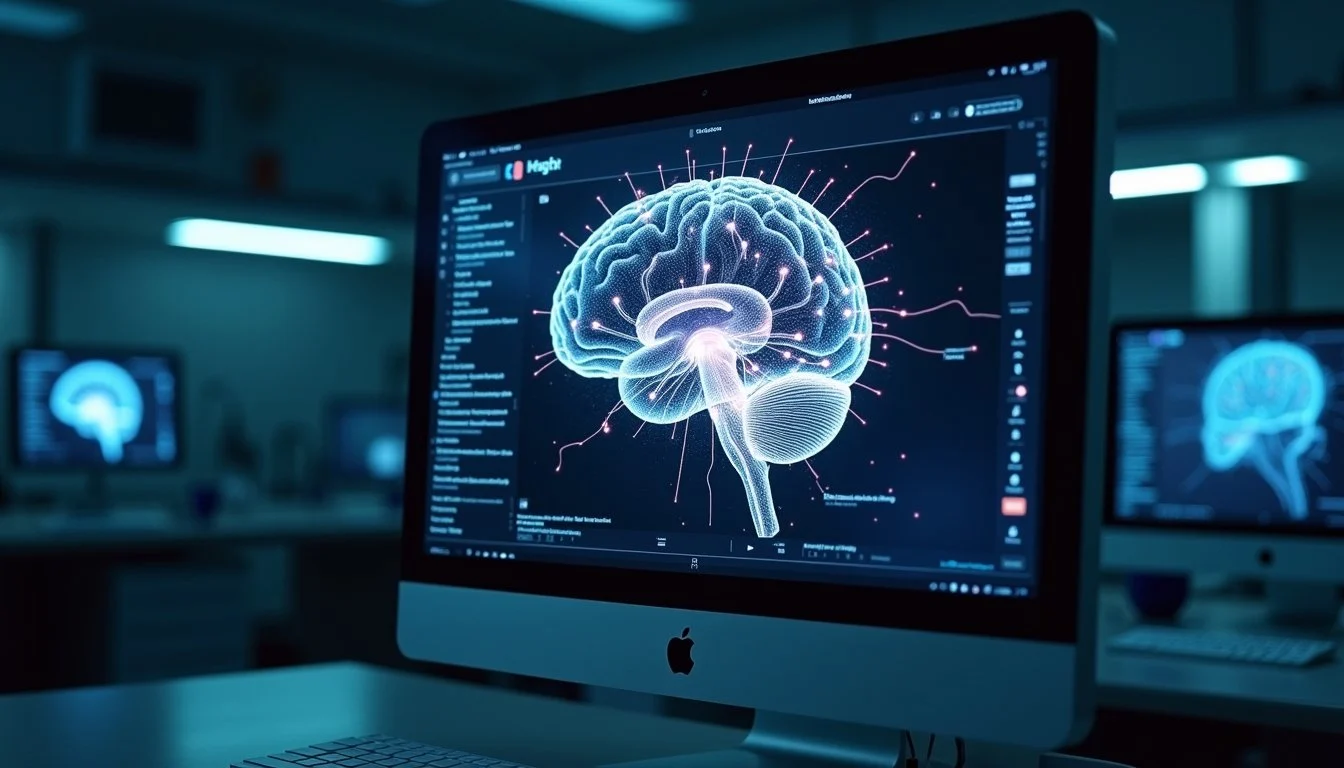
When you vape, nicotine rapidly binds to acetylcholine receptors in your brain, triggering an artificial flood of dopamine and norepinephrine. This rewires your neural reward pathways, causing receptor desensitization that demands increasingly higher doses for the same effects. Your brain’s natural neurotransmitter production decreases while gray matter density changes in reward centers, creating a self-perpetuating cycle of dependence. The full scope of vaping’s neurological impact extends far beyond these initial chemical changes.
The Science Behind Nicotine’s Neural Takeover
When nicotine enters the bloodstream through vaping, it rapidly hijacks the brain’s neural circuitry within seconds by binding to nicotinic acetylcholine receptors throughout the central nervous system. This binding triggers a cascade of neurotransmitter releases, primarily dopamine and norepinephrine, leading to immediate feelings of pleasure and alertness. The reward pathway in the brain becomes heavily influenced by nicotine exposure, similar to other addictive substances. With continued use, your brain undergoes significant adaptations, including neurogenesis disruption and acetylcholine depletion. You’ll develop tolerance as receptors become desensitized, requiring higher nicotine doses to achieve the same effects. Your nucleus accumbens, essential for reward processing, becomes rewired to prioritize nicotine-seeking behavior. The prefrontal cortex‘s ability to regulate impulse control diminishes, while chronic exposure alters gray matter density in reward pathways. These changes create a self-perpetuating cycle of dependence that’s particularly damaging in developing brains. The process happens remarkably fast, as nicotine reaches the brain in just eleven seconds after inhalation. This dependency cycle often leads to multiple failed attempts to quit due to severe withdrawal symptoms that manifest when trying to break free from nicotine’s grip.
Mapping Brain Changes in Young Vapers
As researchers map the neural terrain of adolescent vapers, distinct patterns of brain alterations emerge across key cognitive regions. Your prefrontal cortex, still developing into your mid-20s, shows disrupted maturation that impairs decision-making and impulse control. Over 2.1 million students currently vape, showing the widespread scale of potential brain impacts among youth.
Brain scans reveal how vaping rewires developing minds, disrupting the growth of areas critical for rational choices and self-control.
Despite adolescent brain resilience, nicotine’s long-term impacts manifest in reduced hippocampal volume, compromising your ability to form and retain memories. Environmental triggers and emotional states can cause strong cue associations that make resisting nicotine particularly challenging. Using just 5 mg of nicotine daily can establish addiction in young people.
You’ll experience heightened emotional reactivity as nicotine alters your amygdala’s function, while changes in your basal ganglia reinforce addictive patterns through dopamine manipulation. Your brain’s reward system undergoes significant rewiring – nicotine exposure leads to decreased natural dopamine production, making you less responsive to non-vaping pleasures.
These neural adaptations create a complex web of cognitive and emotional changes that can persist well beyond adolescence.
Why Your Brain Craves the Next Hit
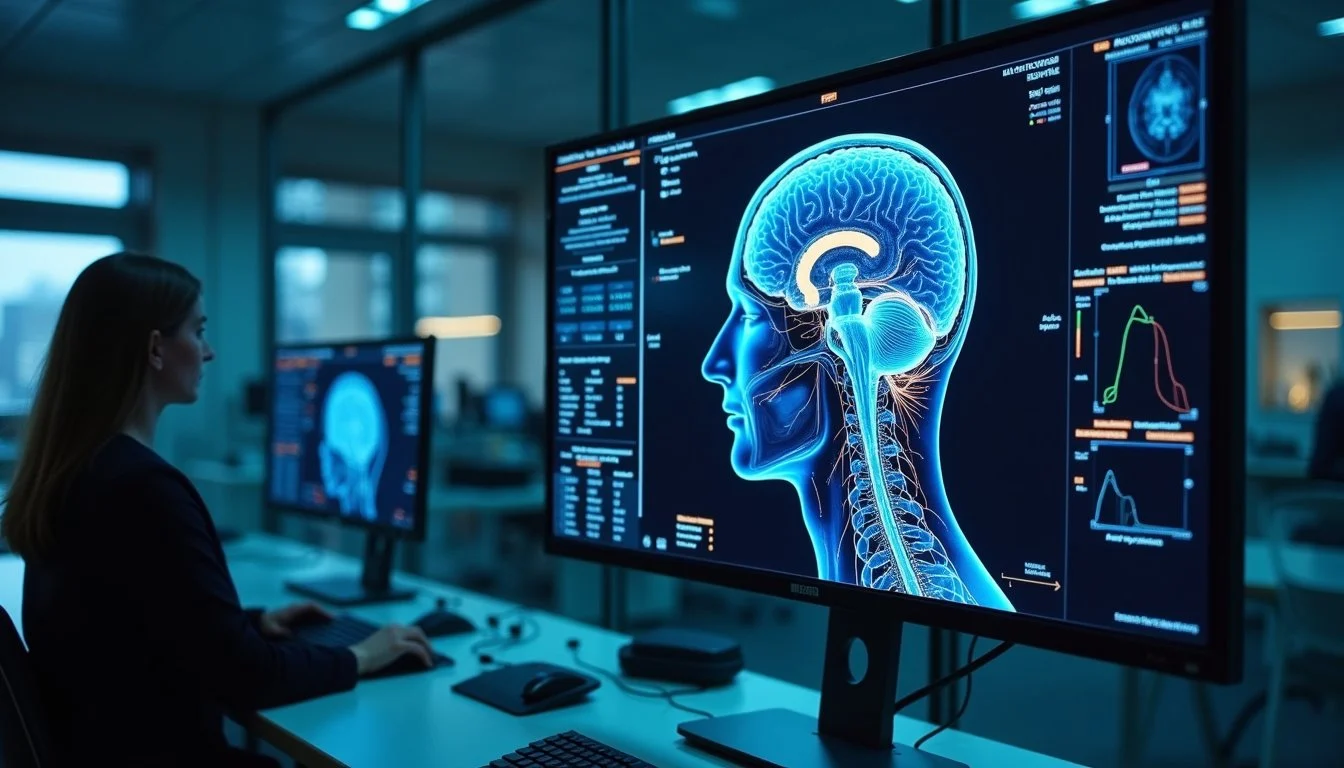
Inside your brain, high-concentration nicotine salts from vaping trigger an intense cascade of neurotransmitter responses that quickly establish powerful cravings. When you vape, nicotine rapidly crosses your blood-brain barrier, causing dopamine surges that create temporary pleasure while disrupting your brain’s natural reward circuitry.
This neurotransmitter dysregulation leads to homeostatic imbalances, where your brain adapts by reducing its natural dopamine production. Your brain then rewires itself to prioritize vaping, treating nicotine as essential for survival. The presence of heavy metals from heating coils further compounds these neurological effects. You’ll experience diminished sensitivity to natural rewards while developing cross-tolerance to other pleasurable activities. Exposure during adolescence can be especially damaging, as nicotine can cause structural brain changes that impair cognitive processes and increase vulnerability to mood disorders.
The resulting neurochemical chaos affects everything from mood regulation to decision-making, as your prefrontal cortex activity decreases and stress systems become dysregulated. Each hit reinforces this cycle, making your brain increasingly dependent on nicotine to maintain basic function.
Emotional Rollercoaster: Vaping’s Mental Health Impact
Your brain’s relationship with vaping creates a destructive cycle of mood instability, with studies showing 60% of vapers experiencing anxiety symptoms compared to 40% of non-vapers. The nicotine from e-cigarettes disrupts pivotal brain regions responsible for processing fear and anxiety, fundamentally altering your stress responses and emotional regulation.
These neurological changes manifest as heightened situational anxieties and increased vulnerability to panic attacks, particularly among THC vapers who show the highest anxiety rates at 70%. Young people often turn to vaping as a potential coping mechanism for anxiety, yet research indicates this behavior ultimately worsens their mental health symptoms. Most concerning is that heavy metals and toxins found in e-cigarette aerosols can cause additional damage to developing adolescent brains. Research shows that mental illness diagnosis increases the risk of e-cigarette use by 33% among college students.
Mood Swings and Anxiety
While many people turn to vaping as a way to manage stress and anxiety, research shows that nicotine dependency actually creates a destructive cycle that worsens mental health symptoms over time. When you vape, you’re disrupting critical neurotransmitter systems, particularly dopamine, serotonin, and GABA, leading to emotional instability and increasingly severe mood swings. Teen vapers experience anxiety symptoms at rates three times higher than non-vapers.
Your brain adapts to constant nicotine exposure by altering its baseline chemistry, doubling your risk of depression and amplifying anxiety symptoms. These nicotine-induced mood swings become more pronounced as dependency deepens, creating a self-reinforcing pattern where you vape to avoid withdrawal symptoms, yet paradoxically worsen your mental state. The presence of trace metals and toxins in vape liquids further dysregulates your brain’s stress response pathways, particularly affecting the HPA axis. This is especially concerning since 81% of young adults initially start vaping to reduce their anxiety and stress levels. Studies show that even former e-cigarette users experience significantly higher rates of poor mental health compared to those who have never vaped.
Brain’s Stress Response Intensifies
Although many users believe vaping helps manage stress, research reveals that nicotine dramatically intensifies the brain’s stress response through multiple destructive mechanisms. When you vape, nicotine floods neural stem cell receptors, triggering severe cellular stress and dangerous calcium imbalances.
This stem cell overstimulation leads to mitochondrial swelling and eventual cell death, compromising your brain’s ability to produce new neurons and astrocytes. Studies show that young people who vape experience significantly higher stress levels compared to non-users.
Your perceived stress relief is actually masking withdrawal symptoms, creating a dangerous cycle where your anxiety intensifies between vaping sessions. While your brain initially develops protective mechanisms against this stress, prolonged exposure eventually causes these defenses to collapse.
The resulting damage to your neural stem cells disrupts mood regulation and cognitive function, potentially leading to long-term changes in your brain chemistry and increased vulnerability to mental health disorders.
Breaking Down the Blood-Brain Barrier
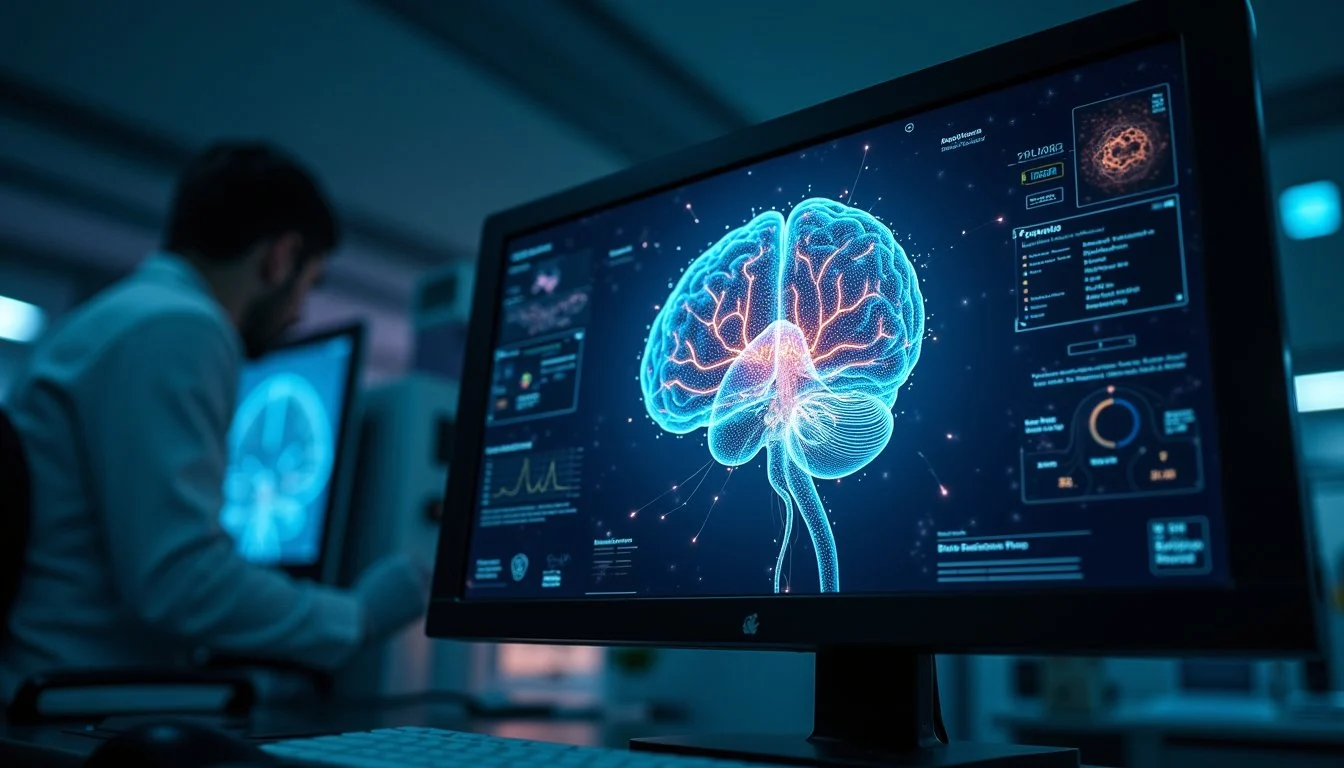
Since vaping disrupts the blood-brain barrier’s (BBB) integrity, it triggers a cascade of harmful effects on brain function and vascular regulation. When you vape, e-cigarette vapor impairs glucose transport through GLUT1/GLUT3 receptors and increases reactive oxygen species in your brain’s endothelial cells, leading to altered calcium homeostasis and mitochondrial dysfunction.
Your BBB’s compromised state allows toxins, immune cells, and inflammatory factors to infiltrate your brain tissue. This invasion intensifies when you combine vaping with alcohol use. The damage to your brain’s protective barrier correlates with increased risk of cognitive decline, stroke, and neurological dysfunction.
E-cigarette exposure disrupts cellular iron balance and redox homeostasis, while chronic oxidative stress fuels ongoing inflammation. These changes can result in permanent neuronal damage and worsen outcomes for conditions like stroke or seizures.
Recovery Journey: Healing Your Neural Pathways
Your brain’s remarkable neuroplasticity enables healing from vaping-induced changes, yet the recovery trek demands patience and consistent effort. During your cognitive regeneration voyage, you’ll experience gradual receptor density normalization and synaptic remodeling, typically requiring months of sustained abstinence.
To accelerate neural plasticity restoration, you can engage in targeted interventions. Cognitive-behavioral therapy helps rewire thought patterns while managing environmental triggers that reactivate dopamine pathways. Exercise and mindfulness practices offer alternative dopamine stimulation without nicotine dependency. You’ll benefit from medication support to ease withdrawal symptoms while your brain chemistry rebalances.
Through consistent abstinence and therapeutic approaches, your prefrontal cortex function will improve, enhancing decision-making capabilities and attention span. Remember, your brain’s adaptability supports recovery, but healing occurs gradually through sustained commitment.
Hidden Dangers of E-Liquid Neurotoxins
While the brain demonstrates remarkable recovery potential from vaping, understanding e-liquid neurotoxicity reveals a darker dimension of these products. Your exposure triggers a microglial inflammation cascade, causing progressive neuronal death through multiple pathways. Research reveals transgenerational epigenetic changes that can affect your descendants through altered gene expression patterns.
| Exposure Route | Primary Effects | Long-Term Risks |
|---|---|---|
| Inhalation | NMDA disruption | Memory loss |
| Skin Contact | BBB compromise | Neurodegeneration |
| Ingestion | Acute toxicity | Encephalopathy |
| Eye Exposure | Systemic absorption | Cognitive decline |
Beyond immediate neural impacts, e-liquid toxins weaken your blood-brain barrier, allowing harmful compounds to penetrate sensitive brain tissue. This damage extends beyond personal risk, as animal studies demonstrate cognitive impairments persisting through three generations of offspring following maternal exposure.
Rewiring the Teenage Brain
As teenagers investigate nicotine through vaping, their developing brains undergo significant rewiring that can persist into adulthood. Your adolescent brain plasticity makes you particularly vulnerable to nicotinic structural alterations, as your neural circuits continue developing until your mid-20s.
When you vape, nicotine disrupts normal synaptic pruning, the process where your brain refines its neural connections. You’ll experience changes in how your brain cells communicate, with strengthened pathways between reward centers and weakened prefrontal control circuits. This rewiring affects your learning capacity, decision-making abilities, and emotional regulation.
The alterations can prime your brain for other substance dependencies and increase your likelihood of migrating to traditional cigarettes. These changes aren’t just temporary – they can fundamentally reshape your brain’s architecture during this critical developmental period.
Memory and Focus: The Cognitive Price
Your brain’s neural pathways undergo significant disruption when you vape, with nicotine flooding dopamine receptors and saturating acetylcholine systems critical for memory formation.
The overstimulation of your cerebral cortex creates excessive synaptic connections that impair your ability to filter noise and maintain focus, particularly evident during complex tasks or in distracting environments.
Studies show this cognitive interference manifests in reduced academic performance, with students who vape reporting greater difficulty in information encoding and experiencing measurable declines in GPA, especially in STEM subjects.
Neural Pathways Under Attack
When nicotine enters the brain through vaping, it launches a multi-pronged assault on neural pathways, disrupting critical cognitive functions and rewiring reward circuits. Your brain’s synaptic connections deteriorate as nicotine alters acetylcholine receptor density, leading to diminished neural connectivity throughout the cerebral cortex.
You’ll experience progressive impairment as nicotine exposure prevents efficient synaptic refinement, especially in your prefrontal cortex. This reduced neuroplasticity locks in maladaptive neural pathways, making it harder for your brain to filter distractions and process essential information.
Your dopamine and serotonin systems become rewired to prioritize nicotine-induced rewards over natural ones, while your acetylcholine receptor counts increase, intensifying withdrawal cravings. These changes persist even after you stop vaping, complicating recovery and increasing your vulnerability to cognitive dysfunction.
Memory Formation Takes Hit
Mounting evidence reveals the devastating impact of vaping on memory formation and cognitive function. When you vape, chemicals like nicotine and formaldehyde trigger neuroinflammation and oxidative stress, leading to brain cell atrophy in critical memory regions. If you’re vaping ≥10 puffs daily, you’ll likely experience a 9.2% decline in cognitive performance, with heavier use causing up to 13.7% reduction.
Your brain’s impaired synaptic function directly affects memory consolidation, particularly in the vulnerable hippocampus. The combination of reactive oxygen species and proinflammatory cytokines disrupts normal neural processes, mirroring patterns seen in cognitive decline disorders. You’ll notice difficulties with specific event recall and information retention, especially if you’re an adolescent with a developing brain.
These effects intensify when combining vaping with traditional smoking, creating compounded risks to your cognitive abilities.
From Pleasure to Dependence: The Neural Loop
The rapid hijacking of brain chemistry by nicotine sets in motion a complex neural cascade that transforms casual vaping into dependency. When you vape, nicotine instantly binds to specialized receptors, triggering dopamine release within seconds. This creates a powerful reward signal that your brain quickly learns to chase.
As you continue vaping, your brain undergoes significant adaptations. Nicotinic receptors multiply, requiring more nicotine to achieve the same effect. Meanwhile, serotonin imbalance and GABA dysregulation emerge, disrupting your emotional stability. Your brain’s reward system becomes rewired, prioritizing nicotine over natural pleasures like exercise or social connections. Environmental cues become potent triggers, independently sparking dopamine surges that fuel cravings. This self-reinforcing cycle makes breaking free from vaping increasingly challenging as your neural pathways become more deeply entrenched in dependence.
Frequently Asked Questions
Can Vaping-Induced Brain Changes Affect Fertility or Reproductive Health?
Yes, vaping directly impacts your reproductive capacity through significant hormonal disruption. When you vape, nicotine and endocrine-disrupting chemicals interfere with your brain’s regulation of reproductive hormones, affecting both male and female fertility.
You’ll experience altered hormone levels, potentially leading to reduced sperm quality in men and irregular ovulation in women. Research shows lower AMH levels in vapers, indicating diminished ovarian reserves and potentially accelerated reproductive aging.
Does Vaping Impact Sleep Architecture and Circadian Rhythm Regulation Differently Than Smoking?
Yes, vaping impacts your sleep patterns more severely than traditional smoking. You’ll experience greater circadian rhythm disturbances due to vaping’s higher nicotine concentrations and more efficient delivery system.
Your sleep quality disruptions may be more pronounced, with increased time in lighter sleep stages and reduced slow-wave sleep. If you’re a dual user (combining vaping and smoking), you’ll face the highest risk of sleep fragmentation and altered sleep architecture.
How Do Prescription Medications Interact With Vaping’s Effects on Brain Chemistry?
When you vape, you’ll need to be especially cautious about prescription medication dosage adjustments, as nicotine profoundly alters your brain’s chemical pathways. You’re at increased risk of adverse interactions, particularly with antidepressants, benzodiazepines, and ADHD medications.
Your CYP450 enzyme system changes from vaping can affect how your body metabolizes medications, while nicotine’s impact on dopamine signaling may diminish the effectiveness of certain psychiatric drugs and substance abuse treatments.
Can Vaping-Related Brain Changes Influence Genetic Expression in Future Generations?
While you’re likely interested in epigenetic modifications from vaping, current research doesn’t provide conclusive evidence about transgenerational effects. Though nicotine can alter brain chemistry and gene expression in users, studies haven’t definitively shown these changes pass to offspring.
The research faces significant ethical and practical limitations in human subjects. You’ll need to wait for more longitudinal studies to understand if vaping-induced brain changes affect future generations.
Do Different Vape Juice Flavors Create Varying Patterns of Neural Activation?
Yes, different vape juice flavor profiles trigger distinct patterns of neural activation. You’ll find that green apple flavors specifically amplify dopamine release in your nucleus accumbens and increase firing rates in VTA neurons.
When you’re exposed to dessert flavors, you’ll experience unique activation in your insula and anterior cingulate cortex. These neural signaling pathways respond differently based on flavor compounds, even without nicotine present, affecting reward processing and behavioral reinforcement.

Dr. Lord is a board-certified physician responsible for overseeing all medical detox protocols. He ensures that each client’s care meets ASAM 1.7 standards and is tailored to their unique medical needs.